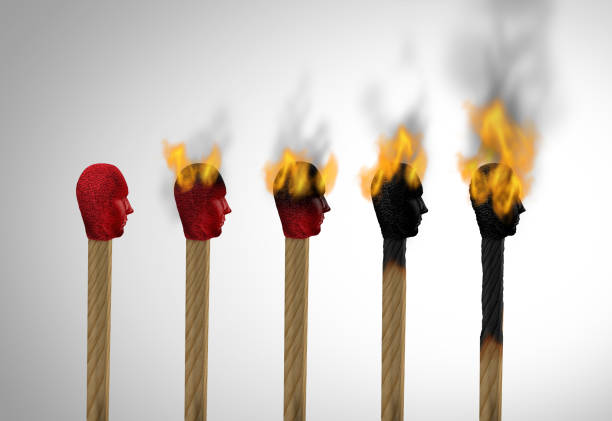
If you thought burnout strikes suddenly, you’d be mistaken. Burnout doesn’t slap you across the face; instead, it builds up gradually, creeping into your life like an insidious shadow. One headache at a time, one sleepless night, one skipped meal, all easily dismissed with a paracetamol, an extra coffee, or sheer willpower….. until the pressure reaches a boiling point.
We’ve all been there, ignoring the subtle whispers of our body as it tries to warn us: Slow down before it’s too late.
What Is Burnout?
Contrary to popular belief, burnout isn’t just about working too hard or clocking endless hours. It’s deeper than that. Burnout is a state of emotional, mental, and often physical exhaustion caused by prolonged and excessive stress. At its core, it’s about feeling disconnected – from your work, your team, your purpose, and even yourself.
It’s no longer something “other people” experience. Burnout is everywhere, affecting young professionals, seasoned employees, busy parents, and even students trying to juggle academics and extracurriculars.
Spotting the Signs
Burnout doesn’t show up overnight. It’s a slow build-up, often dismissed until it’s too late. Some early signs include:
- Persistent exhaustion despite adequate rest.
- Increased irritability or feelings of detachment.
- Difficulty concentrating or making decisions.
- Physical symptoms like headaches, muscle tension, or digestive issues.
- Loss of motivation and decreased confidence in your abilities.
Ignoring these red flags often leads to more severe consequences, like panic attacks, chronic fatigue, or complete emotional shutdown. As one person put it, “I wish someone had told me this when I was younger. People in their 20s, you need to take these symptoms seriously. You don’t want to get there.”
The Bigger Picture
Globally, burnout costs companies billions in lost productivity, absenteeism, and employee turnover. But beyond the economic toll, burnout’s human cost is even greater. It doesn’t just rob individuals of their productivity; it steals their joy, creativity, and ability to connect with others.
Burnout is often a signal of misalignment – a disconnection between your values, purpose, and environment. When these elements are out of sync, the flames of passion and motivation begin to fade.
Two Faces of Burnout
Burnout comes in different forms.
- Fast and Furious Burnout: This is the classic image of burnout – long hours, relentless deadlines, and nonstop multitasking. It’s an unsustainable pace that eventually leads to collapse.
- Slow and Steady Burnout: This type is less obvious but equally damaging. Being stuck in a toxic work environment or feeling powerless in your role can lead to a slow erosion of motivation and self-worth. Over time, this “learned helplessness” can spiral into deep burnout.
Rebuilding from Burnout
Recovering from burnout isn’t just about taking a vacation or getting more sleep. It requires addressing the root causes:
- Self-Awareness: Recognize your triggers and listen to your body’s signals. This is the first step to protecting your energy and setting boundaries.
- Aligning Values and Purpose: Reevaluate your goals and find meaning in your work. If your current environment doesn’t support your values, it might be time to consider a change.
- Boundaries: Give yourself permission to say no. Prioritize what truly matters and learn to delegate or let go of unnecessary tasks.
- Mindfulness and Meditation: Incorporate practices like deep breathing, journaling, or guided meditation to reconnect with yourself and manage stress.
A Shared Responsibility
Burnout isn’t just an individual problem; it’s a systemic one. Employers play a critical role in preventing burnout by fostering supportive environments where employees feel valued, connected, and empowered.
Workplaces that prioritize mental health see the difference:
- Engaged Employees: Teams innovate instead of just surviving.
- Increased Productivity: A happy workforce is a productive workforce.
- Reduced Turnover: Employees are more likely to stay when they feel supported.
Final Thoughts
Burnout is a reminder that we’re human, not machines. It’s a call to slow down, reconnect with our values, and create a life that aligns with our purpose.
As I’ve learned through mindfulness and coaching, the key isn’t to avoid challenges altogether but to approach them with resilience and balance. By raising awareness and fostering open conversations, we can break the stigma around burnout and pave the way for healthier, more fulfilling lives.
If you’ve ever felt burnt out, know this: You’re not alone, and recovery is possible. The happier we are, the better we live, work, and connect.
Reflection
As the year is closing, evaluate yourself and consider what you can change in the coming year. Take steps to slow down, seek help, and draw boundaries where needed. Let the end of this year be a starting point for a healthier and more balanced you.
Till next time …
With a Zenful heart,
Carolyne 💙